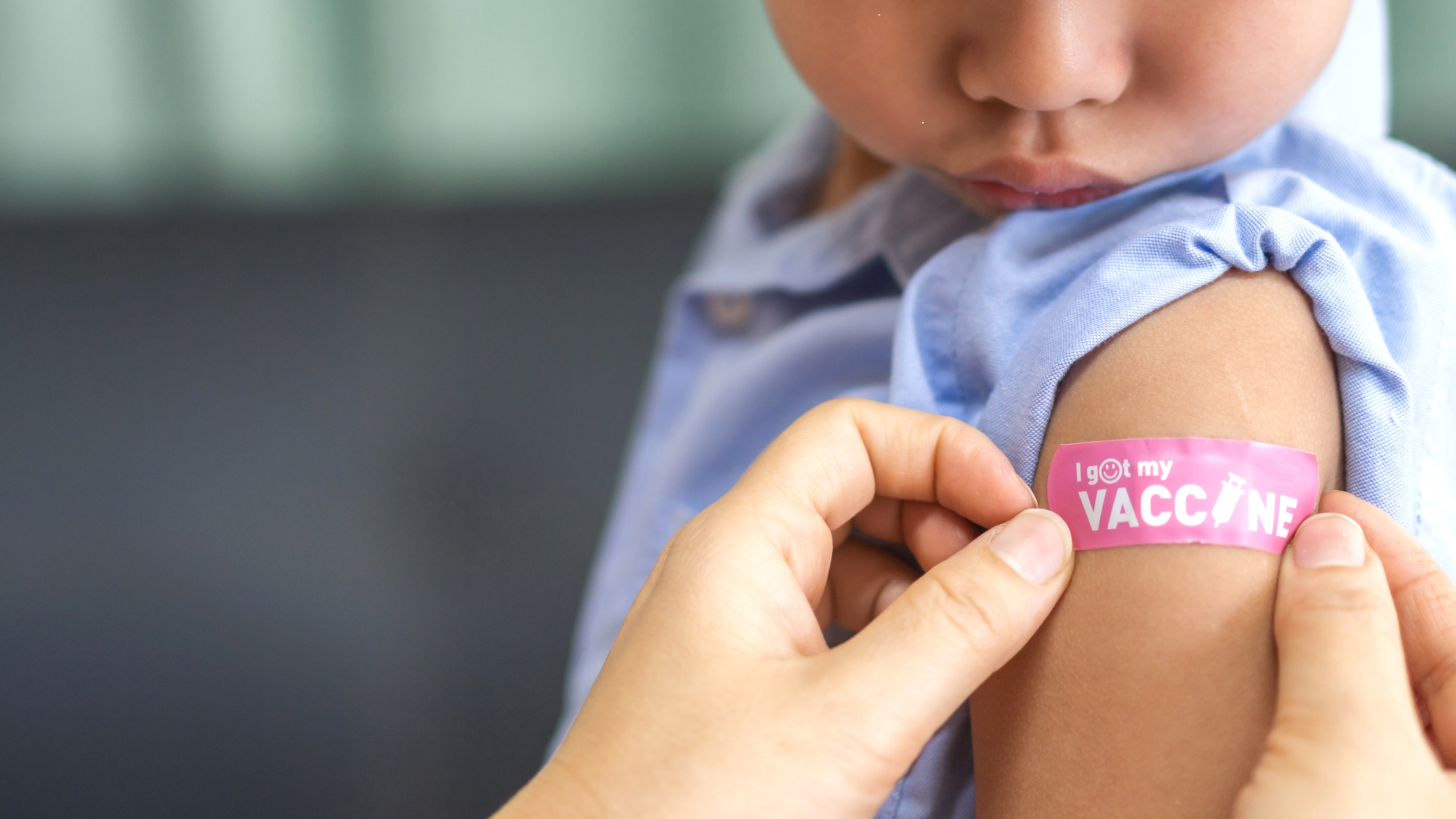
The state’s school requirements and pediatric schedule remain in place even as the federal government reclassifies several childhood vaccines.
TRENTON, NJ – New Jersey’s childhood immunization schedule and school-entry vaccine requirements remain unchanged, state health officials said Aug. 18, following a federal executive order that reorganizes national childhood vaccine recommendations.
The immediate message for families is that New Jersey schools, child care centers and health care providers will continue to follow the state’s existing requirements and guidance. The New Jersey Department of Health continues to recommend the 2026 American Academy of Pediatrics childhood schedule.
The federal order, signed Aug. 10 and published in the Federal Register on Aug. 14, places vaccines into three categories. Vaccines against measles, mumps, rubella, diphtheria, tetanus, pertussis, polio, Haemophilus influenzae type B, pneumococcal disease, human papillomavirus and chickenpox remain recommended for all children.
Hepatitis A, hepatitis B, meningococcal vaccines, influenza, COVID-19 and several other products are placed in high-risk or shared clinical decision-making categories under the federal order. The order also calls for separate measles, mumps and rubella vaccines once single-disease products become available and encourages states to review their school requirements.
The White House says the policy is intended to align the United States with recommendations in peer countries and give parents more choice. The order does not itself amend New Jersey law.
New Jersey revised its vaccine statutes in January so state guidance does not automatically change when federal recommendations change. The law also requires New Jersey-regulated health plans, NJ FamilyCare and state and school employee plans to cover vaccines recommended by the state health department without cost-sharing, according to the state’s January announcement.
State regulations continue to require schools to enforce the New Jersey immunization requirements and maintain student records. Medical and religious exemptions remain available under existing rules.
The policy disagreement comes amid elevated measles activity. The Centers for Disease Control and Prevention reported 2,566 confirmed U.S. cases through Aug. 13, with 94% connected to outbreaks. National kindergarten MMR coverage declined from 95.2% in 2019-20 to 92.5% in 2024-25, according to the CDC.
New Jersey had reported one confirmed resident case in 2026 and no known active exposure locations as of Aug. 17, according to the state’s measles dashboard.
Parents can continue using the state’s current school requirement tables and should consult their child’s health care provider about individual medical questions.