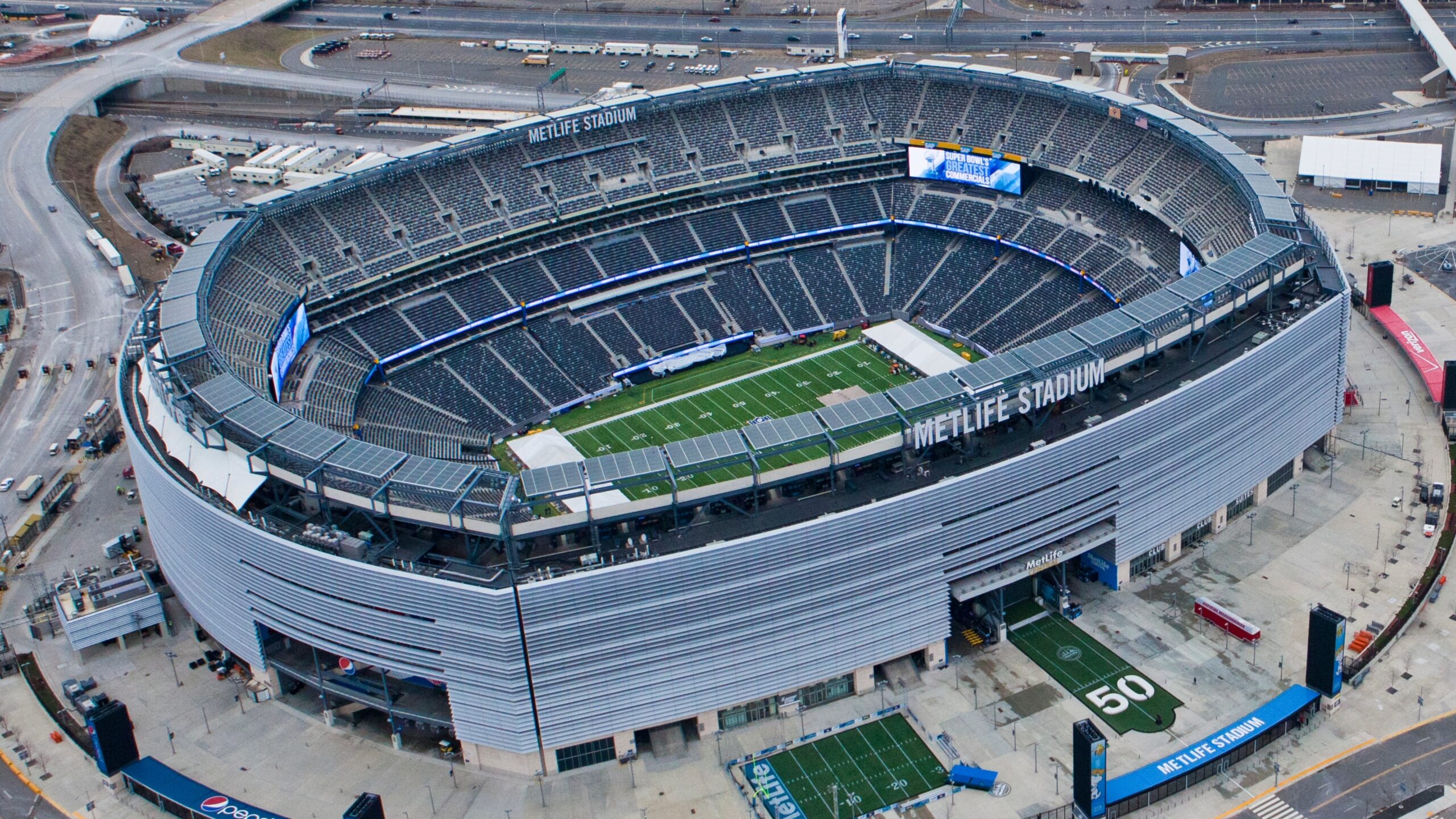
The dedicated round-trip rail ticket for all eight FIFA World Cup matches at NY/NJ Stadium will be sold only through NJ TRANSIT’s new mobile app, with private advertising revenue offsetting part of the cost.
MORRISTOWN, NJ – NJ TRANSIT has lowered the dedicated round-trip rail fare for FIFA World Cup matches at NY/NJ Stadium in East Rutherford to $98, down from the original $150 plan and a later $105 reduction announced after public criticism over the cost of getting to the tournament. The fare applies to rail travel for all eight FIFA World Cup matches scheduled at MetLife Stadium, including the July 19, 2026 final.
The agency announced the new price on Wednesday, May 13, 2026, saying additional advertising revenue allowed NJ TRANSIT to reduce the fare by 35% without using New Jersey taxpayer dollars. NJ TRANSIT identified advertisers including DoorDash, Audible, FanDuel, DraftKings, PSE&G, South Jersey Industries and New Jersey American Water, but the announcement did not include a sponsor-by-sponsor breakdown of the funding arrangement.
“In one month, millions from around the world will gather in our region for one of the largest sporting events in history – and New Jersey is ready to welcome them. I have been clear: hosting the World Cup cannot come at the expense of New Jersey taxpayers. Since FIFA still will not cover the cost of transporting its fans despite making $13 billion from the World Cup, we are finding a solution that protects our residents,” said Governor Sherrill.
The change matters for Morris County riders who may use NJ TRANSIT rail to reach World Cup matches, especially those traveling through Secaucus Junction or Hoboken Terminal. The World Cup service will operate differently from a regular event trip to the Meadowlands, with advance-only mobile tickets, assigned departure windows, pre-boarding checks and matchday wristbands required before riders can board stadium-bound trains.
NJ TRANSIT said the dedicated World Cup rail tickets are available only through the agency’s new mobile app. They will not be sold at station ticket offices, ticket vending machines or on board trains. Customers who already have the NJ TRANSIT app may need to update it before World Cup tickets appear in the app.
The tickets are limited to 40,000 per matchday and must be purchased by fans who already have a valid FIFA World Cup match ticket. The NJ TRANSIT World Cup ticketing page says buyers may purchase up to four tickets per transaction and up to eight tickets per match, per account. Each rail ticket covers round-trip travel from any NJ TRANSIT rail station to NY/NJ Stadium at the same $98 flat rate.
Before boarding, fans must show a valid FIFA match ticket and a pre-purchased NJ TRANSIT rail ticket, then receive an NJ TRANSIT matchday wristband. NJ TRANSIT’s ticketing page states that the wristband is required for both the trip to the stadium and return travel after the match, under a “No Wristband, No Ride” policy. Tickets are non-refundable, non-exchangeable, non-transferable and valid only for the specific matchday selected.
The rail tickets will be sold by departure window to manage crowding before matches. NJ TRANSIT lists windows from four to five hours before kickoff, three to four hours before kickoff, two to three hours before kickoff and one to two hours before kickoff. Tickets are not available for the final hour before kickoff, according to the agency’s World Cup ticketing instructions.
The eight NY/NJ Stadium matchdays are Saturday, June 13, Tuesday, June 16, Monday, June 22, Thursday, June 25, Saturday, June 27, Tuesday, June 30, Sunday, July 5 and Sunday, July 19. The local schedule includes group-stage matches, a Round of 32 match, a Round of 16 match and the World Cup final.
NJ TRANSIT and the New York New Jersey Host Committee previously said the regional transportation plan is designed to move more than 78,000 spectators per match through rail, stadium shuttle buses, rideshare, permitted vehicles and limited premium parking at American Dream. There will be no general spectator parking on stadium property on matchdays, and access to the stadium will be limited to official transportation options.
For everyday commuters, the World Cup schedule could affect travel even for people who are not attending matches. NJ TRANSIT said select trains may be temporarily diverted or adjusted during peak match-arrival and departure windows, and that customers should expect heavy ridership and crowded conditions before and after matches.
Beginning four hours before kickoff, NJ TRANSIT said there will be no outbound rail service from Penn Station New York available for ordinary commuter travel. Riders with New York as an origin or destination will be able to use certain alternate options, including PATH service from 33rd Street and NJ TRANSIT bus service from Port Authority Bus Terminal, at no additional cost.
For three hours after each match, Morris County riders should pay particular attention to the agency’s plan for Midtown Direct service. NJ TRANSIT said Morris & Essex Lines and Montclair-Boonton Line Midtown Direct service to New York will terminate at Newark Broad Street, where customers with New York rail tickets or passes may transfer to Newark Light Rail, continue to Newark Penn Station and then use PATH to New York at no additional cost. The agency also said Morris & Essex and Montclair-Boonton customers can take trains to Hoboken and transfer to PATH.
The reduced fare follows several weeks of public debate over who should pay for the extra transportation costs tied to hosting World Cup matches. The Associated Press reported earlier this month that NJ TRANSIT had first reduced the fare from $150 to $105, while noting that a typical round trip from Manhattan’s Penn Station to the stadium costs roughly $13. Reuters reported that the later reduction to $98 followed criticism from fans and elected officials over the original fare and the expected public costs of hosting the event.
Gov. Mikie Sherrill said in NJ TRANSIT’s announcement that “hosting the World Cup cannot come at the expense of New Jersey taxpayers,” and said the state was using private sponsors to reduce the cost for fans. NJDOT Commissioner and NJ TRANSIT Chair Priya Jain said the agency was trying to reduce costs while protecting daily customers and commuters from bearing the financial burden.
The current plan leaves several practical questions for riders, including how quickly the 40,000 rail tickets per matchday will sell out, how the app-only purchase process will work under demand, and how smoothly Secaucus, Hoboken and Penn Station will handle the additional checks and boarding zones. NJ TRANSIT directs both match attendees and regular commuters to its World Cup travel site for matchday updates and instructions.