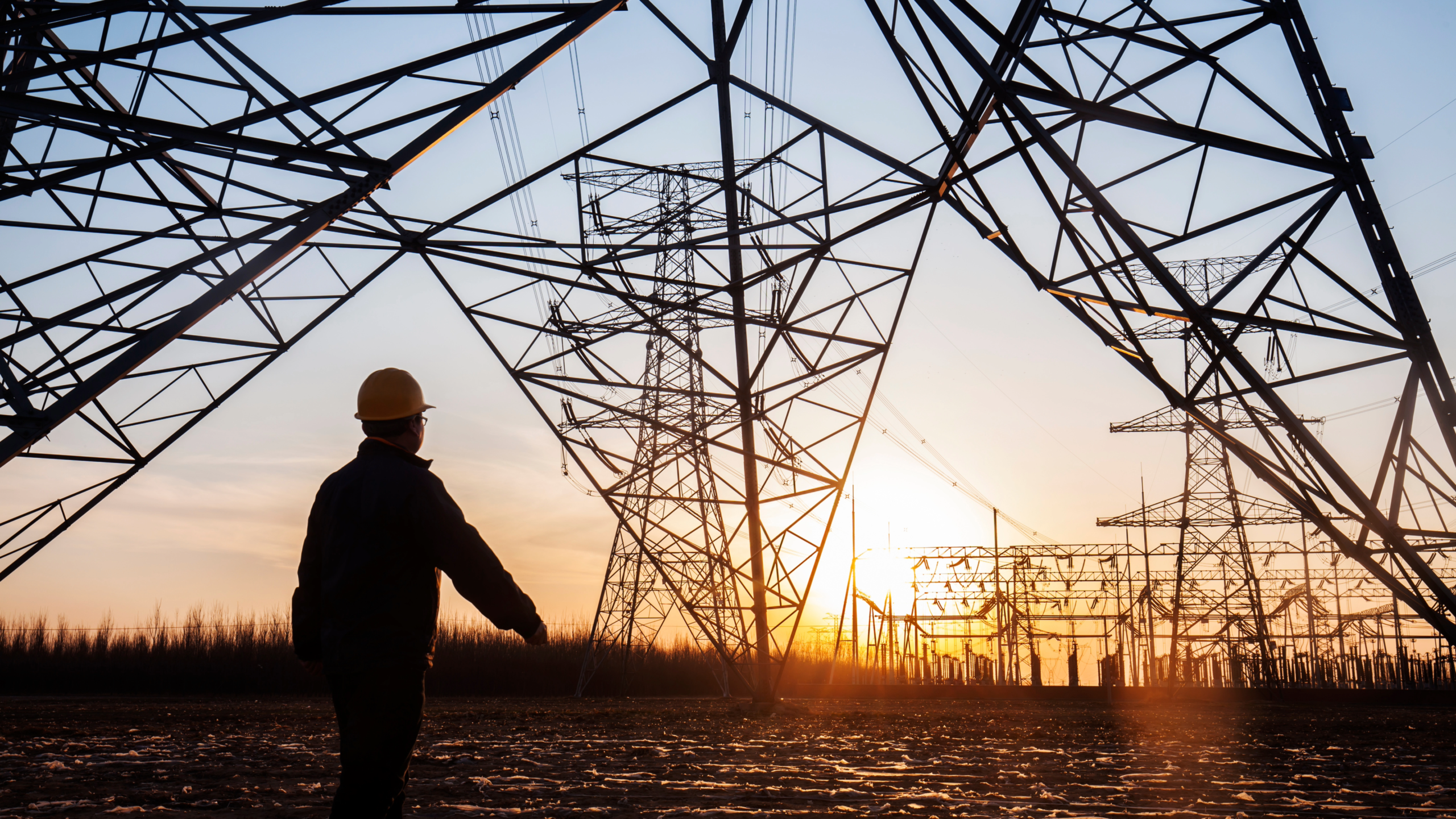
PJM said electricity demand was growing faster than new generation could be built, with data centers a major driver.
TRENTON, NJ – New Jersey has joined 12 other states and the District of Columbia in a new collaboration intended to give state governments a stronger role in decisions about the regional electricity system, Gov. Mikie Sherrill’s office announced October 9.
The governor’s announcement follows an October 8 agreement creating the PJM Governors’ Collaborative, focused on affordability, reliability and the representation of states and electricity consumers.
PJM operates the regional grid and wholesale electricity markets serving New Jersey and other parts of the Mid-Atlantic and Midwest. Decisions in those markets help determine the costs utilities face in securing power and reliable supply for customers.
According to the participants’ joint announcement, the group will share technical resources, coordinate policy positions and work through PJM, the Federal Energy Regulatory Commission and state utility regulators. The agreement creates a way for states to act together across a power system that crosses state lines.
The immediate action is institutional: the governments have organized to pursue changes. The announcement does not set a new New Jersey retail electricity rate, promise a specific household saving or establish a date when bills would fall.
One underlying issue is the cost of ensuring enough power is available when needed. PJM’s capacity market pays for commitments from generation and demand-response resources ahead of the year in which that capacity is required. Those commitments support reliability, while their cost forms part of the broader expense of electricity service.
In a June 25 explanation of its capacity market, PJM said electricity demand was growing faster than new generation could be built, with data centers a major driver. That explanation predates the governors’ agreement and is not a response to it.
PJM said auction price limits could reduce volatility but would not resolve the underlying supply-and-demand imbalance. Its stated approaches included accelerating the process for connecting generation, improving availability of existing resources, and developing arrangements under which large new customers could operate more flexibly when the grid is stressed.
For households and businesses, the significance of the new state group will depend on what changes it secures in those markets and regulatory proceedings. The October agreement establishes the collaboration; it does not by itself change a customer’s electric bill.