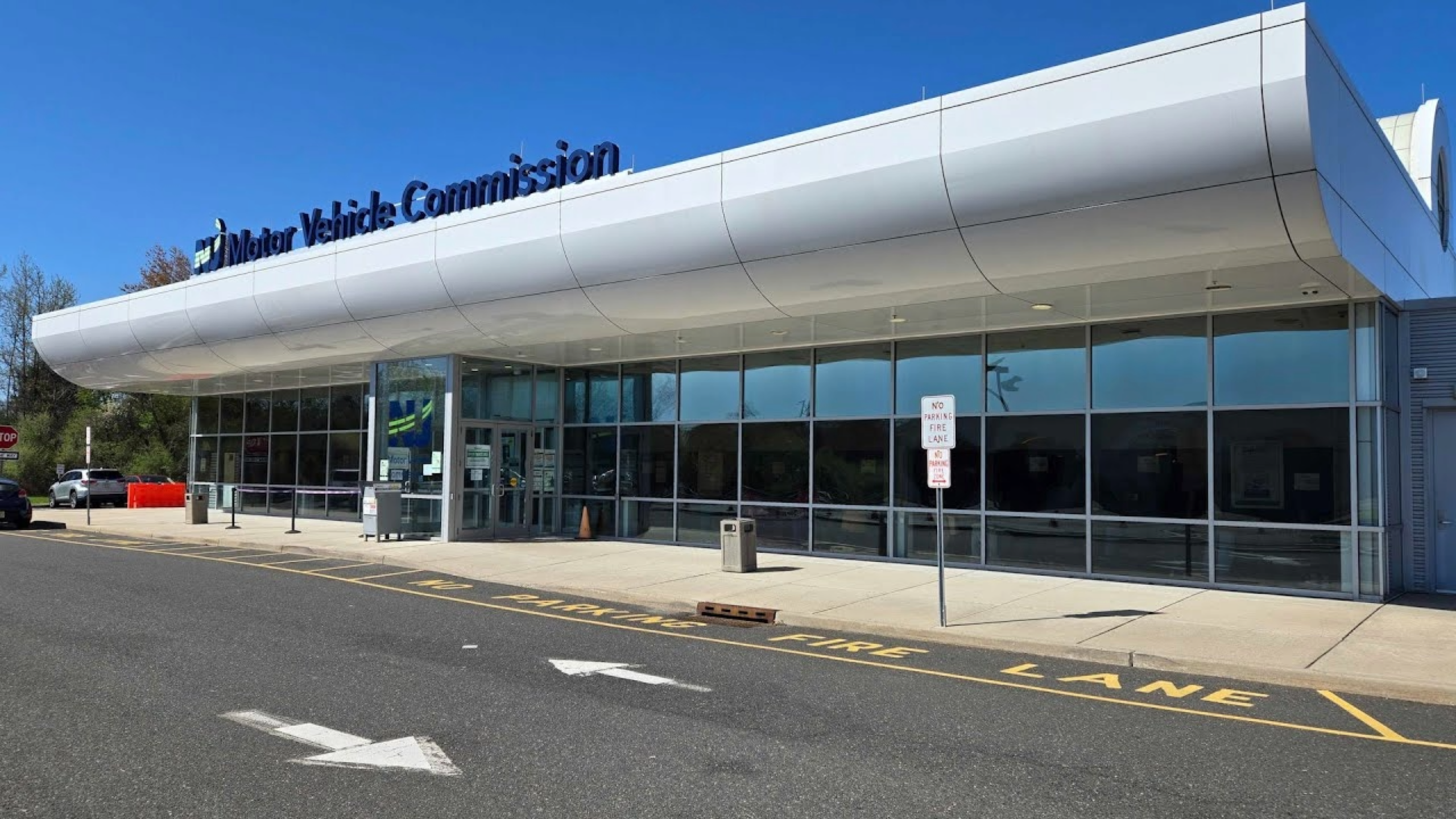
The federal complaint seeks records identifying people removed from the rolls and how the state checks eligibility. An investigation into the software failure remains open.
MORRISTOWN, NJ – The Republican National Committee and three other plaintiffs sued New Jersey’s top election official and election administrators in five counties on Tuesday, Sept. 22, seeking records about how the state maintains its voter rolls after a Motor Vehicle Commission software error registered thousands of people who had said they were not U.S. citizens.
The 51-page federal complaint names Lt. Gov. Dale Caldwell, who is also secretary of state, and election officials in Bergen, Hudson, Middlesex, Somerset and Union counties. The RNC, the New Jersey Republican State Committee, U.S. Rep. Tom Kean Jr. and state Sen. Anthony Bucco are the plaintiffs. Kean’s congressional district includes part of Morris County, and Bucco represents parts of Morris and Passaic counties.
The suit asks a federal judge to order the release of records, including the identities of people removed from voter rolls because they were determined to be noncitizens. It also seeks records showing why other registrations were removed or made inactive and how election officials used information from the MVC and other agencies. The complaint does not ask the court to overturn an election or decide whether any particular ballot was cast illegally.
What the lawsuit seeks
The plaintiffs say they requested records from the state and six counties on July 31, then sent notices alleging violations of the federal National Voter Registration Act on Aug. 26. Essex County is absent from the suit because it agreed to produce responsive records, according to the complaint.
The requests cover records dating to Jan. 1, 2023. They include voter removal dates and codes, address confirmation notices, policies for checking citizenship, records from a federal immigration status database and lists of people removed for noncitizenship. The complaint asks for electronic data that includes names, addresses, dates or years of birth and state voter identification numbers. It also asks the court to rule that federal disclosure requirements prevail if New Jersey law would otherwise permit the records to be withheld or redacted.
According to the complaint, the state supplied two lists on Sept. 15: people deleted from the voter rolls since January 2023 and people whose registrations were inactive as of Sept. 11. The plaintiffs say the deletion list omitted the reasons for removal, making it impossible to identify which entries involved noncitizenship. They allege that county responses were incomplete and that Middlesex County produced no records. Those are the plaintiffs’ allegations; the court has not ruled on them.
A federal judge dismissed an earlier RNC records suit in July, finding that the committee had not shown a sufficiently concrete injury from the denial of records to bring the case. That ruling did not decide whether the requested records had to be disclosed. The new complaint describes how the plaintiffs say inaccurate rolls interfere with voter outreach and consume campaign resources. A judge will have to decide whether those allegations establish standing and whether the records must be released.
What the MVC review has found
Gov. Mikie Sherrill disclosed on July 21 that an MVC system error had caused roughly 6,600 people to be registered between June 2023 and June 2024 after they answered “no” when asked whether they were U.S. citizens while applying for a driver’s license or identification card. The state’s explanation of the error says the vendor’s software transmitted those records for voter registration processing despite the answer and without an attestation of voting eligibility.
An answer on an MVC keypad does not independently establish a person’s current citizenship status. Sherrill said on July 28 that some affected people might be citizens, requiring officials to check other registration and eligibility records before removing them.
In the state’s most detailed public update, on Aug. 19, about 5,100 registrations had been deleted because they resulted solely from the error and lacked another registration or eligibility attestation. Another 1,450 were placed in rejected status, preventing those people from voting while county officials reviewed separate records that might establish eligibility. The update did not give a final count of how many in that group were eligible or how many registrations remain unresolved.
The same update said approximately 340 people newly registered because of the error had voted. Officials identified about 220 other affected people who voted but had earlier registrations or separate eligibility attestations that indicated their registrations could be valid; their cases were referred for review. These are counts of people, not a published tally of ballots cast in each election. The state has not publicly broken down the votes by election, district or contest in those updates.
The certified 2024 presidential results show a 252,498-vote statewide margin, far larger than the number of people the state says voted after a new registration through the error. That comparison cannot answer whether any closer local contest had enough affected ballots to change its outcome. Sherrill’s administration says it has found no evidence that an election outcome changed, but it has not released the election-by-election figures needed to test that question independently.
The administration says its investigation into how the error occurred is ongoing and that the MVC is replacing the vendor. IDEMIA, the contractor, has disputed where the failure occurred. It said the database correctly retained applicants’ answers about citizenship and that the MVC instructed the company in June 2024 to stop offering voter registration to applicants who answered no to the citizenship question, according to FactCheck.org’s account of the company’s statement.
The state’s public updates have not identified the precise software defect, explained why later registration checks did not catch the records, documented the code or process changed in 2024, or published a completed accounting of the county reviews. The New Jersey Globe reported that Sherrill’s office opposes releasing the affected residents’ personal information. The federal court must now consider the plaintiffs’ request for records and the state’s response.