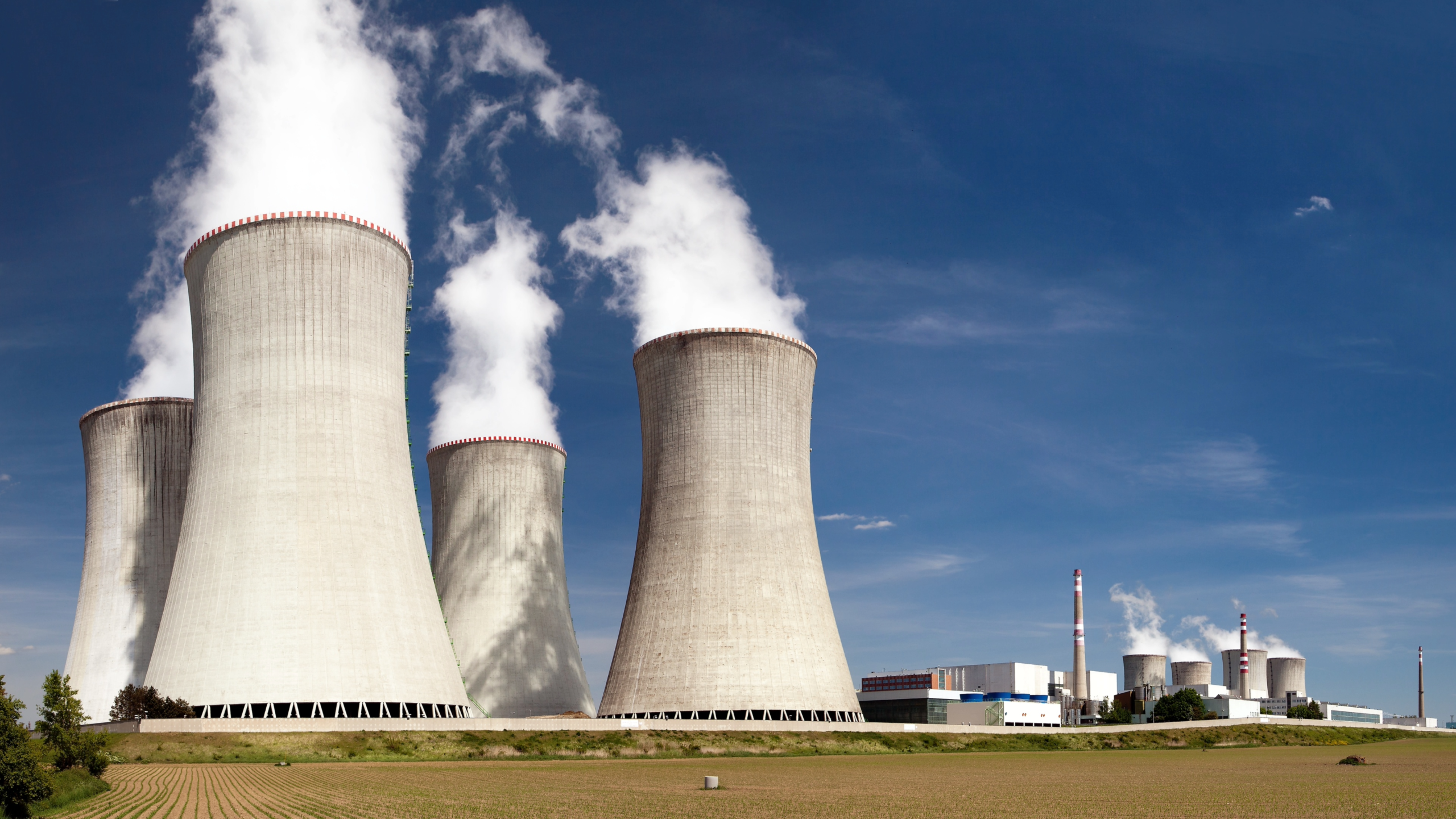
The Power NJ Act begins a multiyear procurement process centered on at least 1,100 megawatts of capacity, with the eventual effect on electric bills still unknown.
TRENTON, N.J. New Jersey has created a process for considering new nuclear generation, but the law signed July 13 does not approve a reactor, select a site or authorize construction.
The Power NJ Act, A4881/S4296, directs the Board of Public Utilities and Economic Development Authority to run a competitive process for advanced nuclear proposals.
The framework is designed around at least 1,100 megawatts of new in-state nuclear capacity. The legislation treats that amount as a program parameter, not a commitment to approve a particular plant.
The anticipated schedule is lengthy:
- By Jan. 9, 2027, the Board of Public Utilities must open a request for expressions of interest.
- Developers will have 60 days to submit preliminary regulatory, environmental, financial and workforce information.
- The state will then have 90 days to identify proposals eligible for negotiations.
- Negotiations may continue for as long as 12 months.
- A final board order could be issued by July 8, 2028, but only if the project provides a net benefit to ratepayers, its costs are not unreasonable in the context of customers’ total bills and the developer has secured federal financing.
“The inadequate supply of energy has contributed to the spike in utility costs for consumers,” said Senator Burzichelli (D-Cumberland/Gloucester/Salem). “One of the more effective ways of countering higher utility bills is the expansion of sources of power. Giving serious consideration to additional supplies of nuclear power would serve our energy needs. Advanced nuclear power is clean, reliable and strengthens our long-term energy security.”
The law says ratepayers may not be charged during construction and may not be made responsible for cost overruns. If a plant becomes operational, electricity suppliers would purchase Reliable Capacity Certificates at a negotiated price.
That arrangement does not eliminate financial uncertainty. The nonpartisan Office of Legislative Services found that the program could produce an indeterminate increase in state and local electricity costs because suppliers would be required to buy the certificates. Revenue earned by a plant in the energy and capacity markets could offset some of that expense, but the fiscal estimate says the net result cannot yet be calculated.
Any proposed host community would receive a public hearing, and the law requires at least two public-comment periods. The Division of Rate Counsel also must be included in the review.
The Sherrill administration says existing nuclear plants provide more than 40% of New Jersey’s electricity and more than 80% of its clean-energy supply. Those figures describe the current fleet, not the output of any project contemplated under the new law.
The next concrete milestone will be the state’s request for developer interest. Until proposals, locations, costs and financing plans are submitted, claims about specific plants or future customer savings remain premature.