The new research center will examine online experiences and potential interventions, including warning labels.
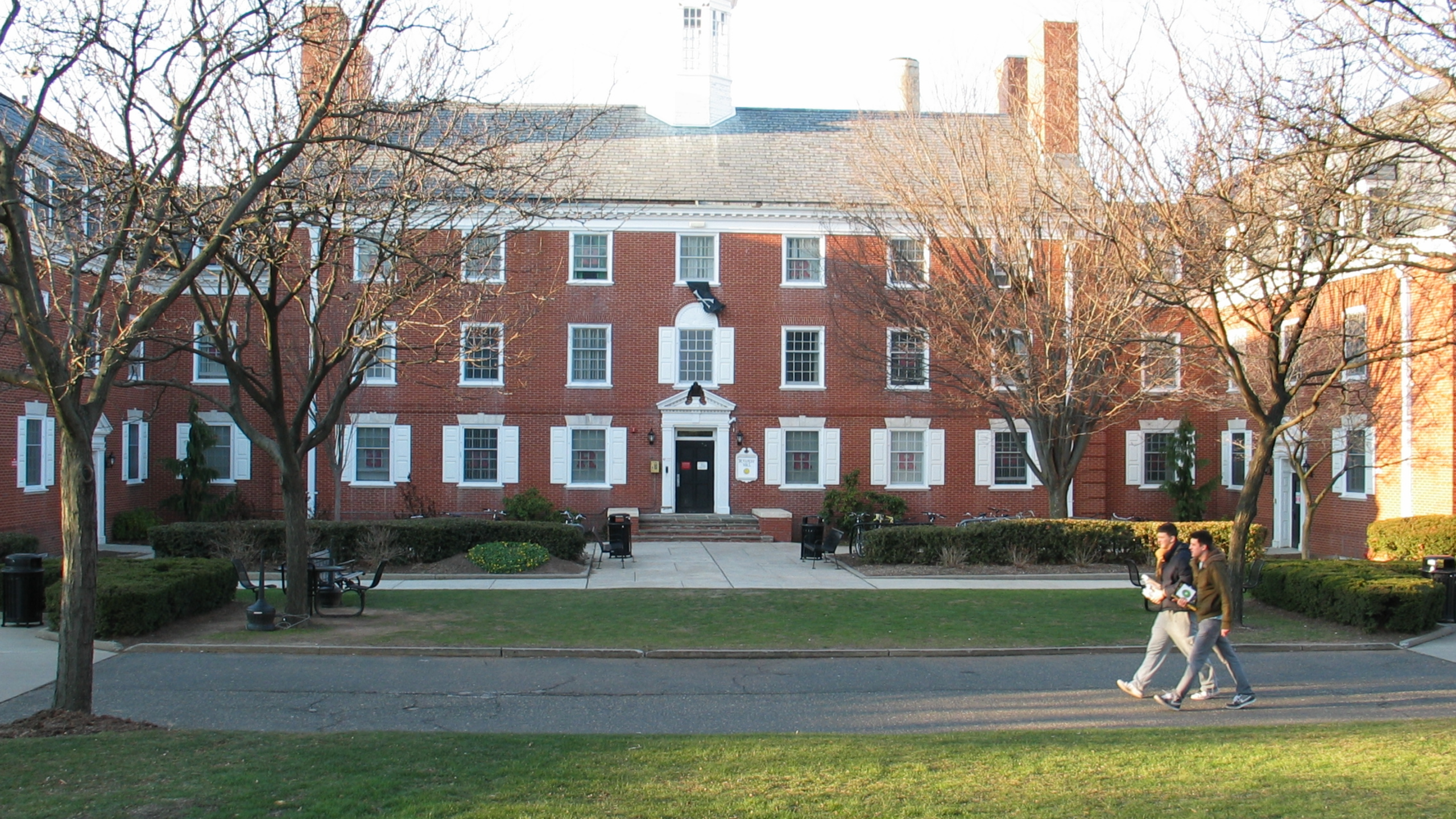
NEW JERSEY – Rutgers University will host New Jersey’s Social Media Research Center, using a $500,000 state grant to study social media’s effects on young people and develop recommendations for families, educators and policymakers, the governor’s office announced Oct. 19.
The university was selected through a competitive grant process administered by the Office of the Secretary of Higher Education in coordination with the Health Department. Its work will draw on multiple Rutgers campuses and schools, including Rutgers Health.
The center’s leadership includes Jessica Hamilton, of psychology; Jeffrey Lane, of communication and information; and Vivien Wen Li Anthony, of social work. The state describes three areas of work: assessing social media’s effects, developing interventions and promoting healthy use.
The selection follows an August funding opportunity open to New Jersey’s four-year public institutions. Applications were due Sept. 11.
What the new laws require
The center was authorized through A4014/S3411, part of a three-bill package signed Aug. 11. A companion measure, S3412/A4013, directs research into whether warning labels and mandatory disclaimers can reduce addictive social media behavior among children.
That measure calls for a final report with findings and policy recommendations within 18 months and subsequent Health Department rulemaking, according to the signing announcement. The separate New Jersey Kids Code Act, A4015/S3413, addresses covered companies’ design and privacy practices.
Selecting the university therefore begins a research assignment; it does not establish that warning labels work or announce new findings about children’s health.
Research beyond time spent online
Hamilton’s earlier research illustrates why the center’s work may require more detail than a count of screen-time hours.
In a 2024 study published in the Journal of Child Psychology and Psychiatry, researchers followed 60 adolescents ages 14–17 over eight weeks, gathering repeated reports about social media experiences and suicidal thoughts.
More negative experiences were associated with a greater likelihood of suicidal ideation on the same day, while positive experiences were associated with a lower likelihood. Reported time spent using social media was not associated with suicidal ideation in the study.
The findings describe associations in a small observational study whose eligibility rules required use of an Android smartphone. They do not establish that social media caused or prevented suicidal thoughts, or that the same pattern applies to every adolescent. They do indicate that the nature of an online experience can matter when evaluating a possible intervention.
Rutgers’ account of that research identifies supportive interactions as positive experiences and cyberbullying or exclusion as negative ones. The work is part of a broader project examining links among social media, sleep and adolescent mental health.
The new center will work with the Health Department’s Office of Youth Online Mental Health Safety and Awareness, according to the Oct. 19 announcement. Its research and recommendations are intended to inform future policy and practical responses in schools, families and communities.