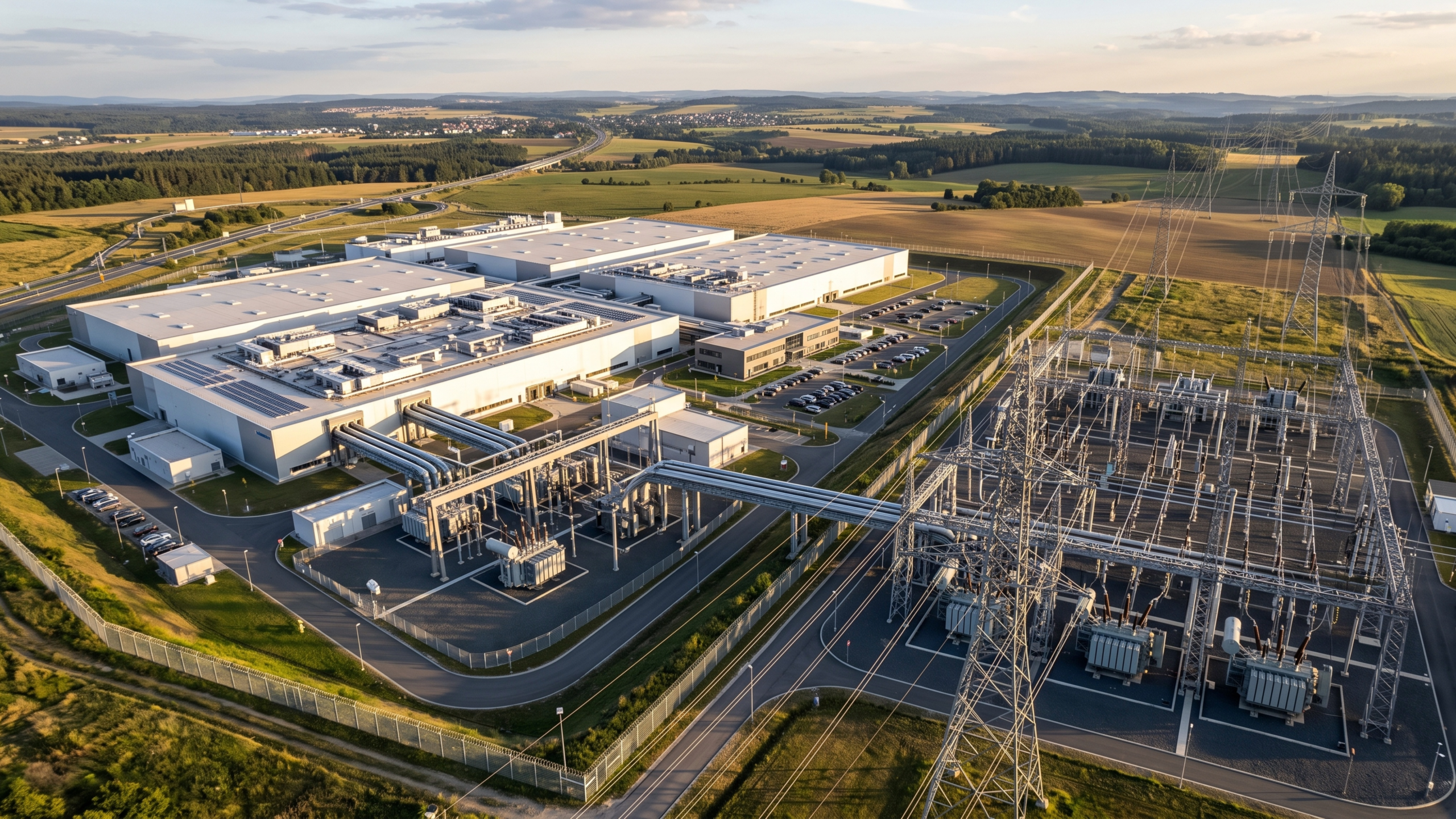
State regulators have until July to set standards for utilities. Written comments on the size threshold, grid upgrade costs and emergency power cuts are due Nov. 13.
TRENTON, NJ – New Jersey utility regulators are taking public comment on how much large data centers should pay for the power and infrastructure they need and when utilities should cut their electricity use to protect households during grid emergencies. Staff of the New Jersey Board of Public Utilities presented the issues at a Nov. 4 public meeting. Written comments are due by 5 p.m. Friday, Nov. 13.
The Data Center Fair Share Act, signed July 7, requires the board to set electricity service standards for each electric utility within 12 months. Utilities then have 180 days from the board’s order to file for approval of a separate rate class and tariff, the schedule of rates and terms for serving these customers. The board is gathering information before it sets those standards.
Which facilities would qualify
The board must set a size threshold no higher than 50 megawatts. It can choose a lower cutoff. The law also directs regulators to count qualifying facilities together when they share ownership, adjoining sites or substantial infrastructure. The threshold matters because it determines which customers are subject to the new rates and safeguards.
That statewide process comes as some North Jersey towns consider where data centers may be built. In Randolph, a master plan reexamination report recommends prohibiting data centers and battery energy storage facilities. Mahwah’s council voted in October to prohibit facilities drawing more than 50 megawatts while it studies permanent rules. Those municipal actions concern land use. The BPU proceeding concerns the terms on which electric utilities serve large data centers.
Who bears the cost if a project falls short
The law directs the board to assign costs attributable to large data centers to those customers and protect others from paying for infrastructure that goes underused or stops being used. That can happen when a utility builds lines or substations for a project that draws less power than requested or shuts down before the costs have been recovered.
The law calls for a financial guarantee that a new large data center customer will pay for at least 85% of the electricity supply it requests for 10 years from the start of service, or as otherwise determined in the board’s standards. Staff asked how to calculate that obligation when a facility expects to increase its demand over several years and what security utilities should require before building infrastructure. Staff also asked how to calculate a payment if a customer leaves early.
What happens when the grid is strained
During a system emergency, the law directs the board to design standards that cut power to large data center customers before residential customers, with an exception for designated critical load. Staff are asking which uses should qualify for that exception and how utilities would verify whether a facility can reduce demand when called on. The law also calls for prioritizing grid connections for facilities that commit to bringing new clean generation or storage or participating in a demand-reduction trade program.
Residents can submit comments under docket EO26080463 using the Post Comments button on the board’s public document search or by emailing board.secretary@bpu.nj.gov. The board says comments enter the public record. Commenters can answer any of the questions in the notice.