The state submitted 130 census tracts for a federal program that offers tax benefits to investors, with the next designation cycle beginning in 2027.
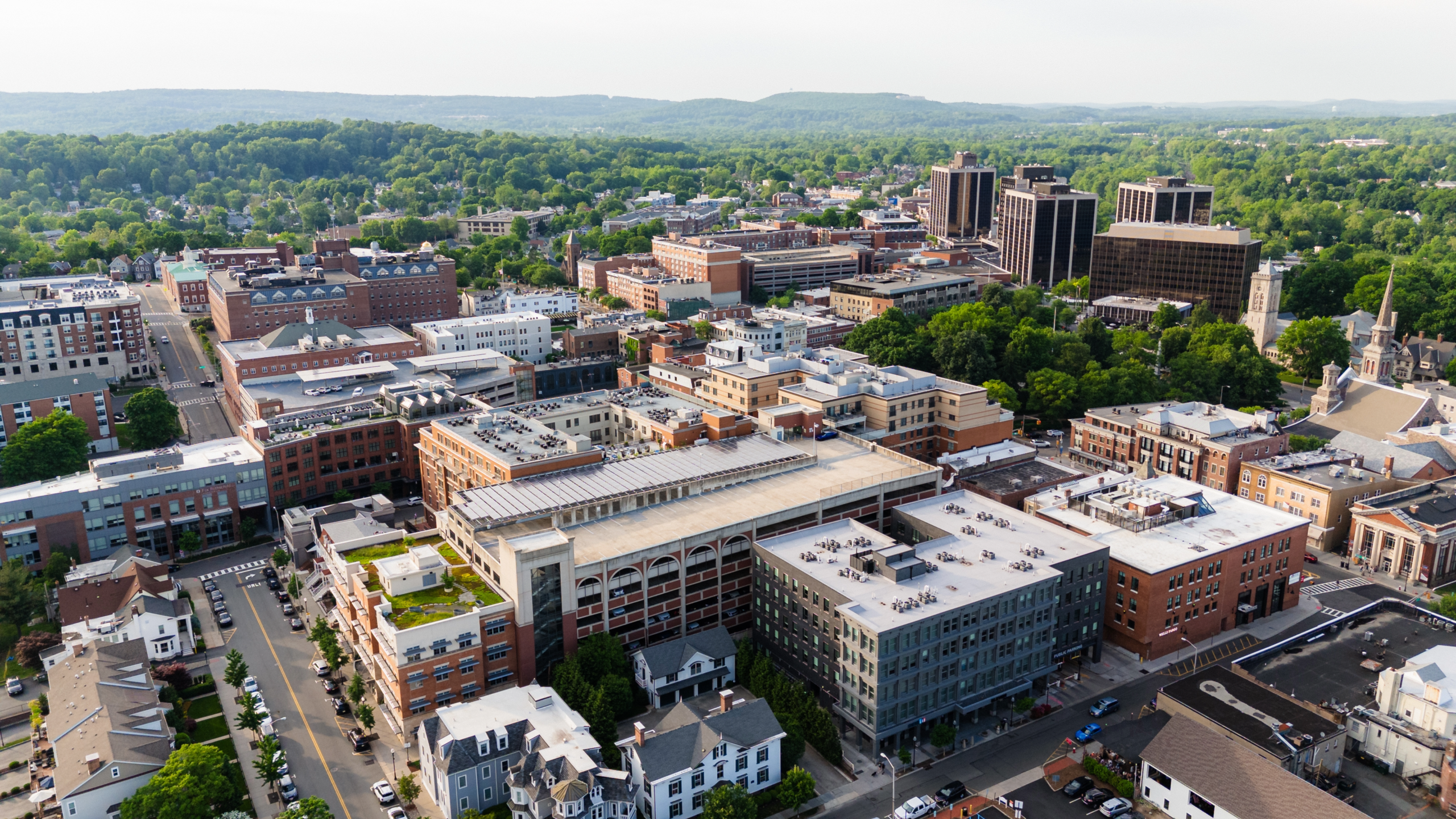
MORRISTOWN, NJ – Areas in Morristown, Mount Olive and Parsippany-Troy Hills are among New Jersey’s nominations for the next round of Opportunity Zones, a federal program intended to attract private investment into lower-income communities through tax incentives, according to an Oct. 29 announcement from the Department of Community Affairs.
The state submitted 130 census tracts to the U.S. Treasury on Oct. 28. Its announcement identifies municipalities containing nominated areas; it does not designate every property in those municipalities as eligible.
The distinction between nomination and designation matters. Under the federal process described by the Department of Housing and Urban Development, governors nominate census tracts, while Treasury and the Internal Revenue Service handle certification and designation. New designations take effect Jan. 1, 2027, for a 10-year cycle.
“The federal Opportunity Zone program helps communities attract private investment to build more housing, strengthen local economies, and advance local priorities. In cities like Trenton and Atlantic City, Opportunity Zones can be used as a tool to direct new investment and support the next steps toward revitalization. Our Opportunity Zone nominations are the result of a collaborative process to bring investment to communities that may have been overlooked, and to create more jobs and housing for the people who live there,” said Governor Mikie Sherrill.
How the incentive works
Opportunity Zones provide a tax incentive for private investors rather than a direct grant to residents. Investors put eligible capital gains into Qualified Opportunity Funds, which invest in qualifying businesses or property within designated tracts, according to DCA’s program explanation.
A capital gain is the profit from selling an asset. The incentive allows qualifying investors to postpone taxation of that gain and, if they meet holding-period and other requirements, reduce some of the taxes associated with the investment.
For the program beginning in 2027, HUD describes a rolling five-year tax deferral, a basis adjustment that reduces the taxable deferred gain by 10% after five years for standard qualifying investments, and exclusion of new investment gains after a holding period of at least 10 years. The tax treatment depends on federal eligibility rules and the investment’s circumstances.
Congress made the program permanent in 2025, establishing recurring designation cycles. Treasury’s July announcement explains that this nomination round determines where new investment can qualify beginning in 2027.
What the earlier program shows
DCA said its selection process considered housing production, transit access, community recommendations and displacement risk. Other North Jersey municipalities on the nomination list include Newark, Paterson, Hackensack, Jersey City, Newton and Phillipsburg.
Investment and benefits for existing residents are separate measures. A September study by Brookings and AmericaFWD found substantial variation in construction and neighborhood change among earlier Opportunity Zones. About 46% of the zones studied experienced increases in building activity of at least 15%, while typical outcomes differed by the predominant land use.
The researchers found no association between accelerated growth and displacement in most tract types and states. Their analysis lacked building data for eligible tracts that were not selected and could not determine which construction projects used the tax incentive. Those limitations prevent attributing the observed changes solely to the program. The study does not establish what will happen in any newly nominated Morris County neighborhood.
For local residents, the next step is federal designation of the nominated tracts. DCA links its Community Asset Map for tract information; municipal inclusion alone does not establish a particular property’s eligibility.