The July pilot will use radar and AI-powered, photo-based technology to document possible parking violations in existing restricted zones, with Boonton police review required before any summons is mailed.
BOONTON, NJ – Boonton will launch an AI-enabled, photo-based parking enforcement pilot program on Main Street in July 2026, using SafetyStick devices to document possible violations in existing no-parking zones, crosswalk approaches, intersections, fire zones and other restricted areas.
The town announced the program on June 16, 2026, directing residents, drivers and delivery service providers to new public materials on the SafetyStick Pilot Program. According to the town, the pilot is intended to improve pedestrian safety, keep sightlines clear and increase compliance with parking rules already in place.
The devices will capture photographic evidence of potential parking violations and transmit that information to the Boonton Police Department for review. The town said no citations will be issued automatically. If police confirm a violation, a summons may be mailed to the registered owner of the vehicle.
The pilot does not create new parking restrictions, according to letters issued by the town to residents and delivery drivers. Vehicles stopping or parking in designated no-parking zones, crosswalk approaches, intersections, fire zones or other restricted areas remain subject to enforcement. The town also said using hazard flashers does not exempt a vehicle from parking regulations.
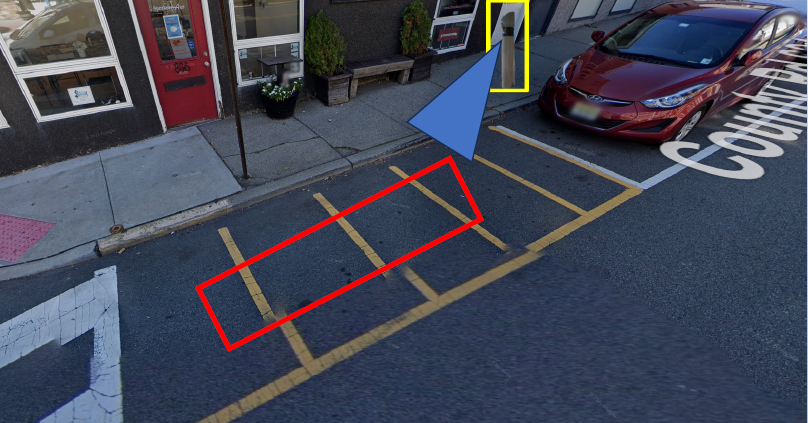
SafetyStick devices are described by Boonton as solar-powered bollards that use radar technology to detect vehicles that stop or park illegally. When a possible violation occurs, the device can produce a time-stamped evidence report with photographic proof, including the date, time and location.
Municipal Parking Services, the company behind SafetyStick, describes the system as a cloud-connected parking enforcement platform that uses license plate recognition, radar and automated reporting tools. Boonton’s public materials emphasize that local police personnel will review recorded violations before any summons is issued.
The first deployment will focus on high-priority areas along Main Street where the town says no-parking zones are frequently violated. The town’s public FAQ says the devices are being installed in locations where no-parking zones already exist under Boonton’s parking code.
To accommodate downtown businesses, customers and delivery drivers, Boonton will designate the first two parking spaces on each 100 block of Main Street as delivery-only parking from 8 a.m. to 10 a.m. daily. Outside those hours, the spaces will be available for 15-minute parking to support quick visits to downtown businesses.
Boonton’s parking code already regulates parking along Main Street and other designated streets. The code lists sections of Main Street where parking is prohibited at all times and also identifies Main Street regulated parking spaces as subject to enforcement by tire marking or other appropriate means. The public parking enterprise is generally in operation from 8 a.m. to 6 p.m., Monday through Saturday, except on legal holidays.
The town said signs will be installed on or near SafetyStick locations so drivers can identify areas where the devices are in use. Officials also said public outreach will include mailers, digital alerts, social media and public meetings.
On privacy, Boonton said SafetyStick devices capture images of license plates and parking violations, not personal images or audio. The town said data will be securely stored, used only for enforcement and deleted according to town retention policies.
The pilot will be evaluated after implementation, according to town letters. Boonton officials said the goal is to keep crosswalks, intersections and other restricted areas clear while maintaining access for downtown businesses, customers and delivery drivers.