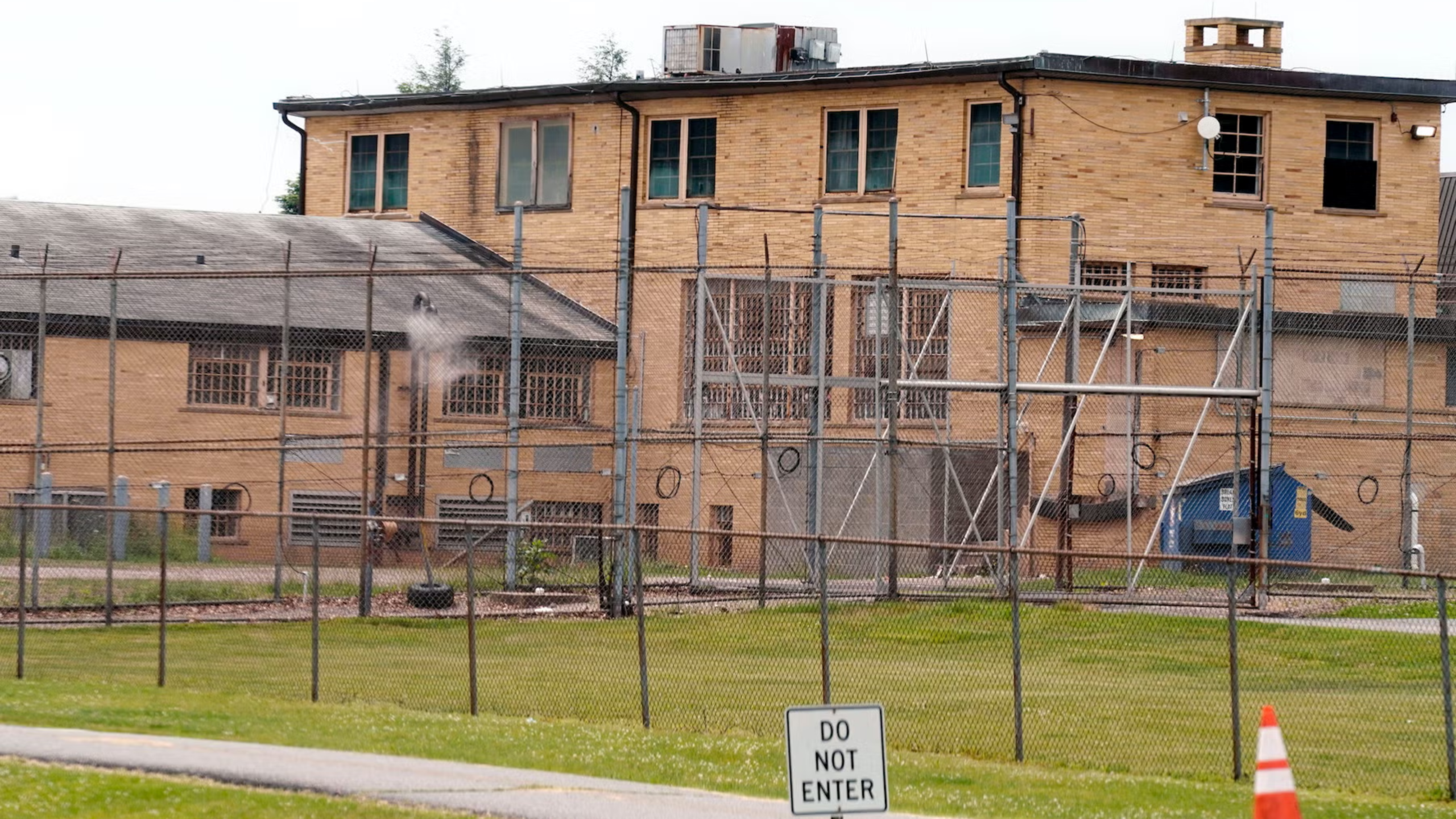
A federal monitor found substantial compliance with the remaining requirements, ending the consent decree while state-law safeguards and internal monitoring continue.
CLINTON, N.J. A federal court has ended the consent decree that governed reforms at the Edna Mahan Correctional Facility for Women, concluding five years of outside oversight prompted by a federal investigation into sexual abuse by staff.
U.S. District Judge Zahid N. Quraishi approved termination of the agreement on July 15, according to a New Jersey Department of Corrections announcement posted July 22. The state and the U.S. Department of Justice jointly requested termination, and federal monitor Jane Parnell supported the request.
The decision closes one phase of a case that began with grave findings. In 2020, the Justice Department concluded that New Jersey had failed to protect incarcerated women from sexual abuse by correctional employees. Federal investigators also found weaknesses in supervision, reporting, investigations and accountability, including conditions that could discourage women from reporting misconduct.
A consent decree approved in 2021 required the state to make changes under court supervision. Those measures included body-worn cameras for custody employees, additional stationary cameras, efforts to eliminate blind spots, stronger investigative procedures, protections against retaliation and improved language access.
The monitor’s ninth report, issued in May, found the department in substantial compliance with the remaining requirements. Aggregated data for the third and fourth quarters of 2025 recorded no substantiated cases of staff sexual abuse, sexual harassment or retaliation against incarcerated people.
That figure does not mean there were no allegations, complaints or continuing risks. “Substantiated” is an investigative finding, and the monitor continued to recommend improvements. The report noted, for example, that the department’s risk-management system remained partly manual while officials explored a more integrated computer-based system.
Termination means the federal monitor will no longer supervise compliance under the consent decree. It does not erase the Justice Department’s original findings, and it does not end the department’s responsibilities under state law, federal prison-safety requirements or ordinary judicial review.
The Department of Corrections said safeguards were also incorporated into the Incarcerated Women’s Protection Act, enacted in January. The department continues planning for a facility that would replace Edna Mahan, but its July announcement did not provide a completion date.
For the public, the next test will be whether the reporting, investigation and accountability systems developed under federal supervision continue functioning after the monitor leaves. The consent decree’s termination is a legal finding of compliance with the agreement, not a guarantee that future misconduct cannot occur.