State officials project stronger tax collections for fiscal years 2026 and 2027, but rising health benefit costs continue to strain New Jersey’s budget outlook.
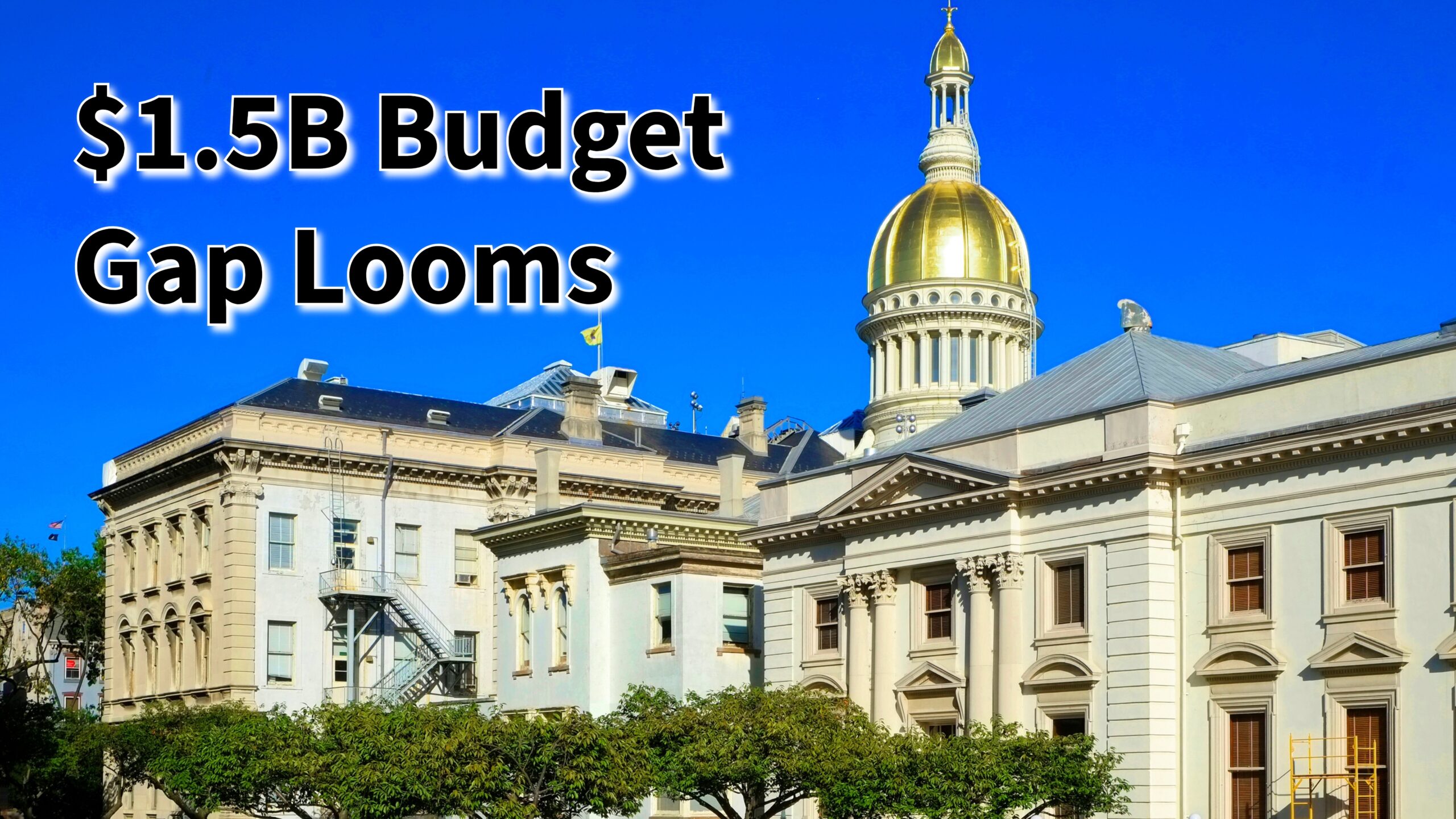
MORRISTOWN, NJ – New Jersey’s revenue outlook has improved slightly for the current fiscal year and the next one, but state budget officials told lawmakers Tuesday, May 19, 2026, that the next budget still faces a structural gap of less than $1.5 billion and continued pressure from public employee health benefit costs.
State Treasurer Aaron Binder testified before the Senate Budget and Appropriations Committee at the State House, where Treasury officials presented updated revenue projections for fiscal years 2026 and 2027. Treasury now forecasts $57.8 billion in total state revenue for fiscal year 2026, about $337 million above the Governor’s Budget Message forecast, and $59.2 billion for fiscal year 2027, about $163 million higher than the earlier forecast.
The revised forecast is driven partly by stronger Gross Income Tax collections.
Treasury increased its Gross Income Tax forecast by about $170 million for fiscal year 2026 and about $175 million for fiscal year 2027. Binder said April collections were up nearly 5%, with final payments and quarterly estimated payments up about 7% compared with last April.
The update was not entirely positive.
Treasury reduced the Corporation Business Tax forecast by about $50 million for fiscal year 2026 and reduced the Corporate Transit Fee forecast by about $14 million, citing weaker-than-expected April quarterly corporate tax payments.
The state also lowered its forecast for the Graduated Percent Fee on sales of million-dollar properties by about $69 million for fiscal year 2026 and about $59 million for fiscal year 2027, due partly to refund activity tied to contracts executed before the fee took effect.
Binder told lawmakers that the revised forecast modestly improves the state’s position but does not erase the budget problem.
The projected fiscal year 2027 structural gap is now below $1.5 billion, and the state’s undesignated fund balance is projected at almost $6 billion, or 9.8% of appropriations.
Treasury said that reserve level would provide roughly one year of protection under a moderate recession scenario.
The testimony also pointed to health benefit costs as a major unresolved pressure point for state and local government budgets.
Binder said mid-year reports suggest the State Health Benefits Plan and School Employees’ Health Benefits Program may again face double-digit premium increases for plan year 2027, while the SHBP Local Government Plan could see increases as high as last year’s rate hike.
Gov. Mikie Sherrill’s budget proposal includes $75 million in state-level savings and $150 million in savings for the local government health benefits plan, according to Binder’s testimony.
He said the issue will require further action because “the current system is unsustainable,” while cautioning that no single change is likely to solve the cost problem.
For residents, the budget update matters because state revenue forecasts shape the spending plan that funds property tax relief, public employee benefits, state operations and aid programs. Lawmakers will continue reviewing the proposed fiscal year 2027 budget before a final spending plan is adopted.