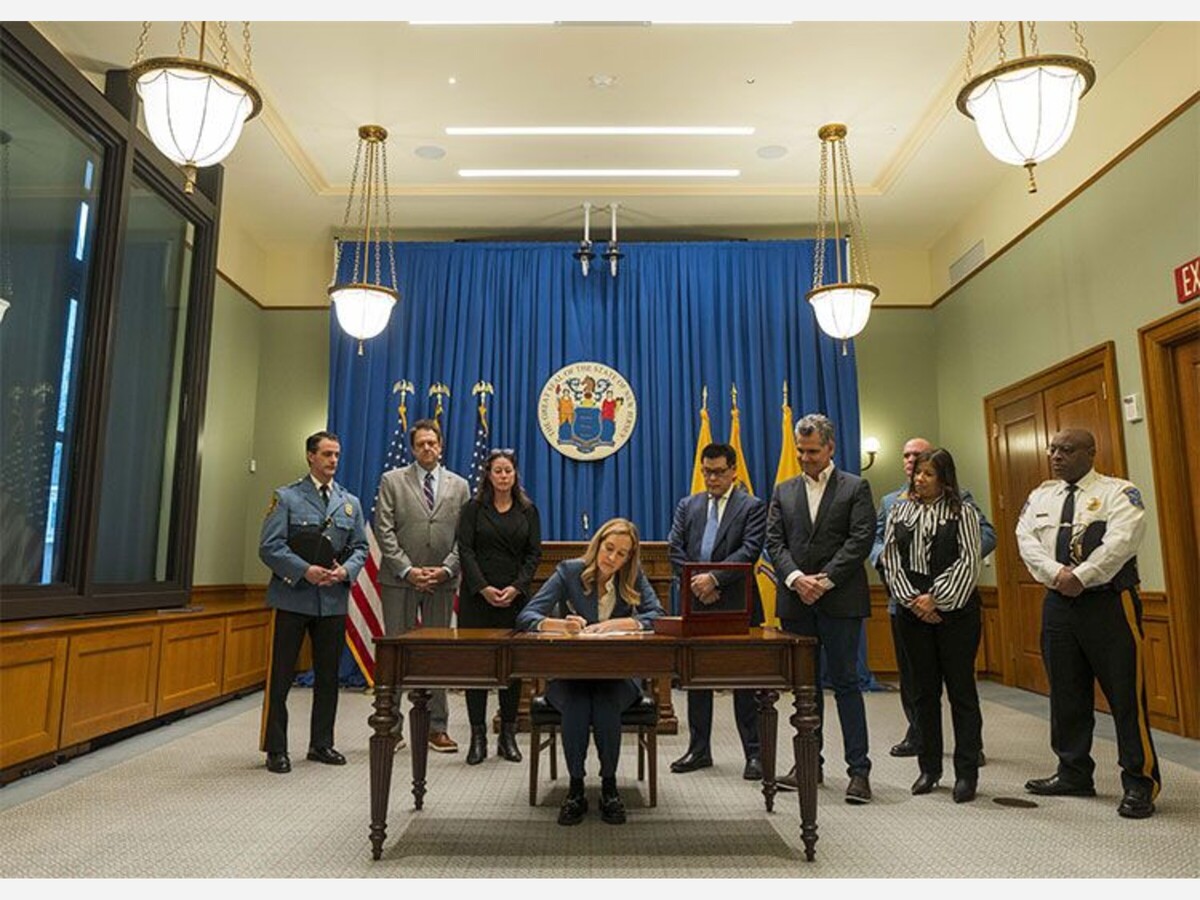
Sherrill signs Executive Order 12 limiting use of New Jersey state property in civil immigration enforcement.
Gov. Mikie Sherrill on Wednesday, Feb. 11, signed Executive Order No. 12, directing New Jersey Executive Branch departments and agencies not to allow federal immigration officers to enter, access, or use nonpublic areas of state property for civil immigration enforcement unless they present a judicial warrant or judicial order. The administration announced the move alongside Acting Attorney General Jennifer Davenport and Acting Human Services Commissioner Dr. Stephen Cha.
According to the order, the term “state property” is defined broadly to include facilities and parcels owned, operated, leased, or controlled by Executive Branch departments and agencies, including office buildings and parking areas. The order also defines “federal immigration officers” to include agents with Immigration and Customs Enforcement, Customs and Border Protection, and other federal agencies involved in civil immigration enforcement or working alongside them. Under the directive, departments and agencies are told not to permit or consent to the use of nonpublic state property for civil immigration operations unless a judicial warrant, court order, or limited exception applies.
The order also bars state property from being used as a staging area, processing location, or operations base for civil immigration enforcement absent the same judicial authorization or an exception spelled out in the order. It further directs agencies to take steps to implement the policy and train staff on how to interact with federal immigration officers in a way that complies with the order. At the same time, the administration said the directive does not prevent state agencies from enforcing state criminal laws, complying with valid judicial warrants or court orders, following applicable laws and lease obligations, participating in task forces permitted under New Jersey’s Immigrant Trust Directive when the main purpose is unrelated to civil immigration enforcement, or allowing access to areas that are open to the general public on the same terms as everyone else.
Alongside the executive order, the Office of the Attorney General launched a new online portal for residents to submit information, including photos and videos, documenting interactions with federal immigration officers in New Jersey. The state said examples of reportable concerns include allegations of excessive force, warrantless searches or arrests, racial profiling, wrongful detention, interference with voting, and other possible civil-rights violations. Davenport said the portal is intended to help the state review potential misconduct and hold the federal government accountable when officers violate the law.
The administration also rolled out a statewide “Know Your Rights” information hub offering guidance and resources for residents interacting with federal agents. State officials said the materials are available in multiple languages, and Cha said the information hub and legal-services guidance are intended to give residents accurate information and access to help regardless of where they were born or what language they speak. According to the administration, the materials are available in 22 languages.
In the state’s announcement, Sherrill said the executive order would prohibit ICE from using state property “to launch operations” and said the administration would also provide residents with tools to report activity and learn more about their constitutional rights. Davenport said federal agents conducting immigration enforcement in New Jersey must follow the Constitution and applicable laws, and encouraged residents to share photos and videos through the new portal.
If implemented as described, Executive Order 12 would set clearer limits on when and how New Jersey state property can be used during civil immigration enforcement operations, while also creating new state-run channels for residents to document encounters with federal agents and access legal information.