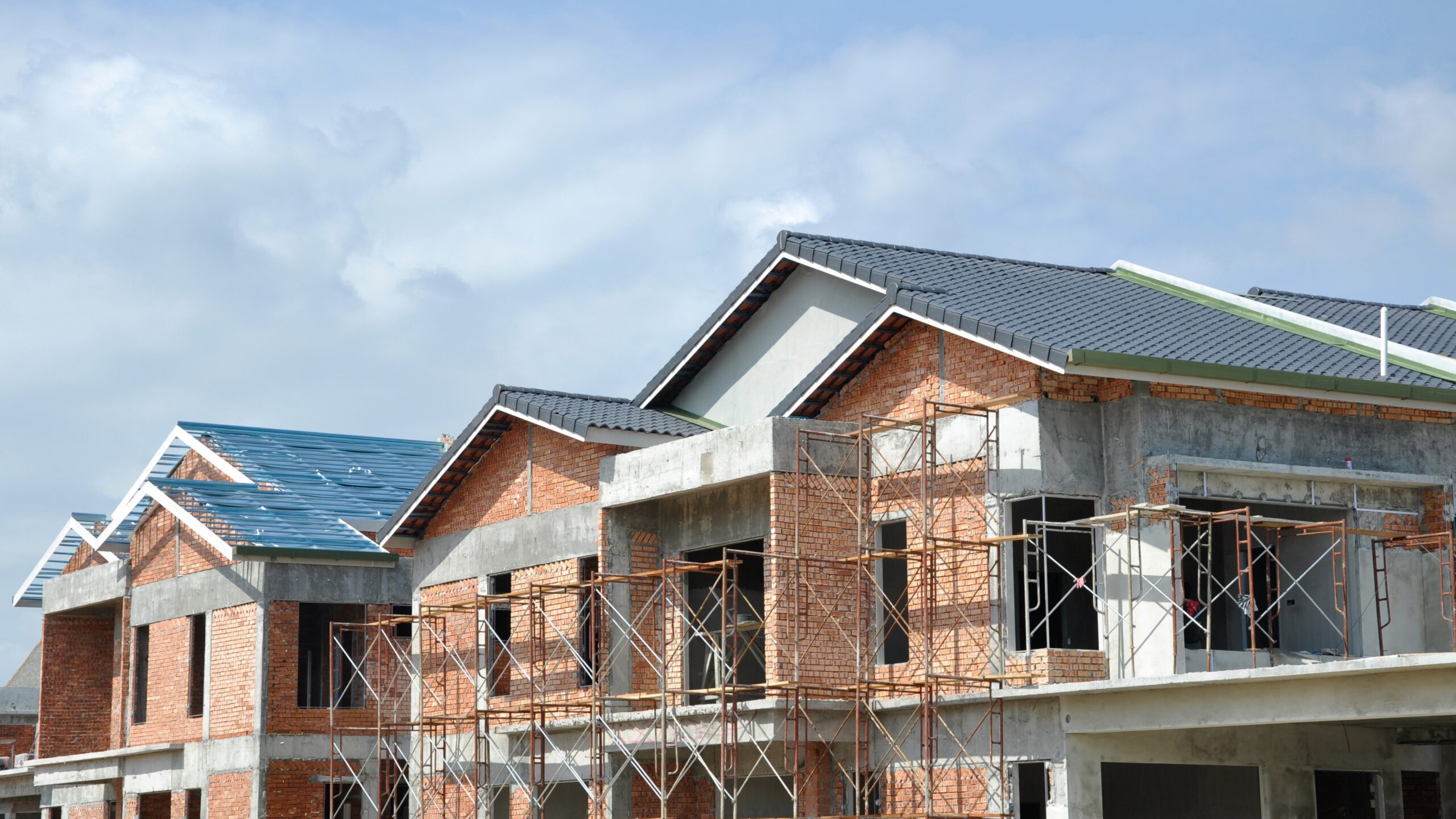
A quick rundown of the recent controversy surrounding affordable housing in Morris Township.
The recent controversy surrounding affordable housing in Morris Township stems from a contentious, six-hour special meeting held on March 9, 2026, where the Township Committee advanced several redevelopment ordinances to meet state-mandated housing obligations. The conflict primarily involves the tension between the township’s legal requirement to provide affordable housing and residents’ concerns regarding the impact of high-density development on their neighborhoods.
The Legal Mandate and “Builder’s Remedy”
Morris Township is required by New Jersey’s Mt. Laurel doctrine to provide its “fair share” of affordable housing. For the “Fourth Round” period (2025–2035), the township must provide 375 affordable units.
- Settlement: While the state initially assigned a higher number of 571 units, the township mediated a settlement of 375 units.
- Loss of Control: Officials argued that they had to move quickly to meet a March 16 deadline to avoid “builder’s remedy” lawsuits. These lawsuits allow developers to bypass local zoning laws and build at much higher densities if a municipality is found non-compliant, causing the township to lose all planning control.
Key Development Sites and Resident Concerns
The redevelopment framework covers seven sites intended for approximately 938 total housing units, including 195 affordable ones (the rest of the obligation is met through existing credits). Residents raised strong objections to several specific locations:
- 60 Columbia Road: Planners proposed 382 units (300 multifamily and 82 townhomes) on a 15.4-acre site. Neighbors expressed alarm over traffic and pedestrian safety, noting the lack of traffic lights at dangerous intersections like Normandy Parkway.
- 221A/227 Sussex Avenue: This proposal for 175 townhouses on Rabbinical College property sparked fears regarding environmental impacts and worsened flooding, as local homes already experience water issues.
- 300 Madison Avenue: Residents argued that the area could not handle the increased traffic volume that would come with 118 new townhomes.
Political Fallout
The controversy has had significant political repercussions for the township’s governing body:
- Democratic Slate Shakeup: Following the housing backlash and a proposed tax hike, the Morris Township Democratic Committee dropped incumbents Bud Ravitz and Siva Jonnada from their 2026 election slate in favor of “fresh energy”.
- Independent Bid: Committeeman Bud Ravitz, the most senior member of the dais, subsequently broke from the party to run for re-election as an Independent, stating that his experience was not appreciated by the local party organization.
- Accountability: Mayor Donna Guariglia took “full responsibility” for the fact that many residents felt unheard during the marathon session, though she defended the decision to advance the ordinances to maintain local control over future development.