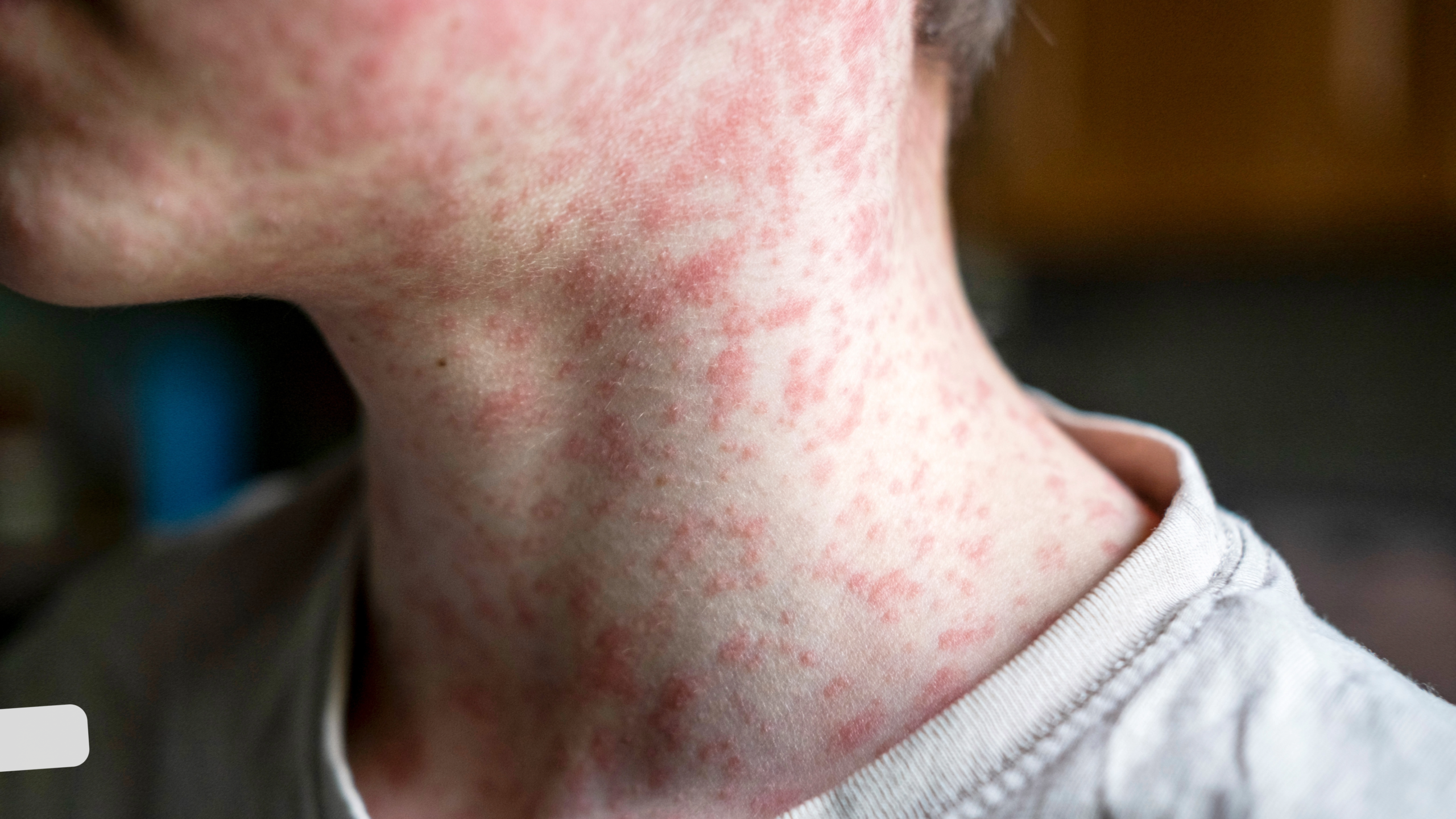
State health officials say New Jersey has no active outbreak, but vaccination coverage remains below the level generally needed to stop sustained spread.
TRENTON, N.J. – New Jersey health officials are urging families to review their measles vaccinations after neighboring Pennsylvania reported 393 cases in 28 counties and the nation’s first two measles deaths of 2026.
The New Jersey Department of Health said Aug. 26 that the state was not experiencing an active measles outbreak. The warning came as the United States recorded 2,777 confirmed cases through August 20, the largest national total in decades. The Centers for Disease Control and Prevention said 94 percent of those cases were connected to outbreaks.
Pennsylvania health officials said the two people who died were unvaccinated residents of Lancaster County. They were the commonwealth’s first measles-associated deaths in 35 years. The state withheld identifying details to protect the families’ privacy.
Measles spreads through the air when an infected person breathes, coughs or sneezes. The virus can remain infectious in a room for up to two hours after that person leaves. People can transmit it before the telltale rash appears.
Early symptoms usually include a high fever, cough, runny nose and red, watery eyes. A rash generally begins at the hairline several days later and spreads downward. Anyone who believes they may have measles should call a health care provider or local health department before entering a clinic or emergency department so staff can prevent additional exposure.
Two doses of the measles, mumps and rubella vaccine are about 97 percent effective at preventing measles, according to state and federal health agencies. Community protection generally requires vaccination coverage above 95 percent because the virus is so contagious.
New Jersey’s health commissioner said less than 95 percent of the state’s kindergarten students have the recommended vaccines. Separate federal data cited by the state show that 92 percent of New Jersey children had received at least one MMR dose by age 24 months, compared with 91.4 percent nationally.
The routine schedule calls for a first MMR dose at 12 to 15 months and a second at ages 4 to 6. A clinician may recommend a dose for an infant as young as 6 months before international travel or travel to an outbreak area. Families should ask their own provider what schedule applies to them.
New Jersey residents can review immunization records through the Docket app or myHealthNJ. Free or low-cost vaccines may be available through local health departments and community health centers for eligible children and uninsured adults.
New Jersey has reported measles cases to the CDC this year, but the state warning did not provide a current state case total. “No active outbreak” does not mean no cases have occurred. It means officials have not identified sustained, linked transmission meeting the outbreak definition at the time of the statement.