Search logs from one Morris County police department show how far a license plate lookup travels.
MORRISTOWN, NJ — When a Lincoln Park police officer looks up a license plate, the search goes out to roughly 70 camera networks at once, covering every county in New Jersey and reaching cameras in New York and Connecticut.
That’s what Lincoln Park’s own search logs show. The borough released them to Morristown Minute in response to a public records request, and they’re the first records in this investigation that show how officers actually use the county’s license plate readers.
It matters because it changes the question of who can see where your car has been. In September, Morristown Minute reported that Morris County has at least 279 automated license plate reader cameras, or ALPRs. Each one photographs passing cars and turns the plate into a searchable record tied to a time and place, and that record is kept for three years. The new logs show those records are shared well past the town that owns the camera. Once a camera captures your plate, police across the state can search it.
How one search works
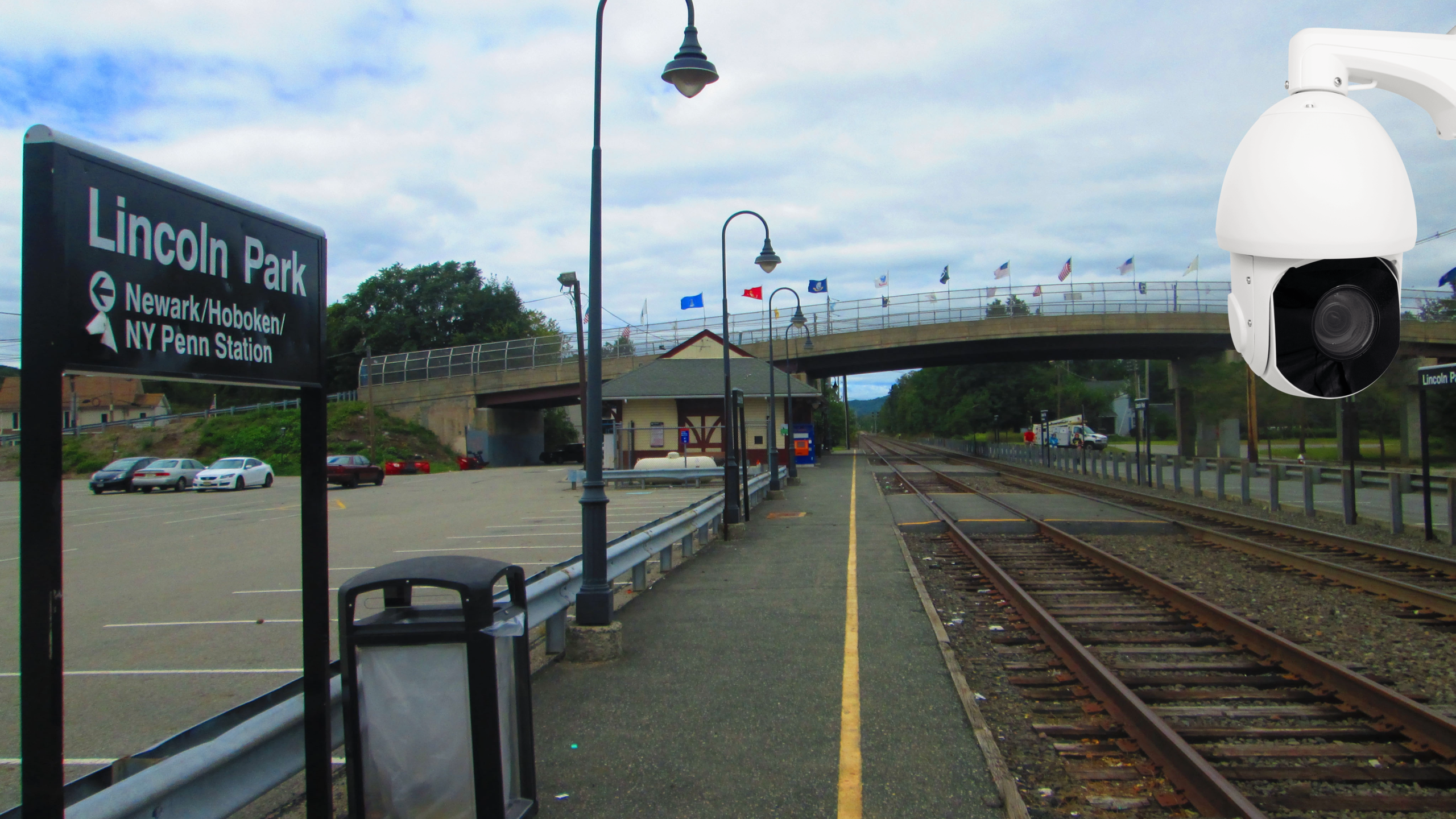
Lincoln Park owns three working cameras, with four more planned, according to the borough’s own camera list. Its officers search through a law enforcement platform called BackTrace.
Here’s one search from the logs. On Sept. 15, 2025, an officer working a burglary case typed in a single plate number and told the system to check everywhere. In 30 seconds, it sent that plate to 75 camera networks.
Those networks included Packetalk systems serving eight New Jersey counties and cities, 50 New Jersey police departments and sheriff’s offices that use Axon cameras, and networks run by Vigilant, Flock, Rekor, Neology, Elsag and others. It also checked a feed labeled Hartford, one labeled Connecticut and one labeled Rockland, which appears to be Rockland County, N.Y., on New Jersey’s northern border.
Most of those networks came back empty. One, the Packetalk pool that includes Morris County’s cameras, returned six records.
That search was typical. Nearly every search the department ran in 2025 went out to at least 50 networks, and most reached more than 70.
The logs also list the counties the platform can search: all 21 in New Jersey.
Morristown is in the pool
One of the Axon feeds in the logs is labeled for the Morristown Police Department. It was included in 43 Lincoln Park searches between July and December 2025.
That’s notable because Morristown isn’t among the 23 camera owners on the county’s August 2026 inventory. The logs don’t say what kind of cameras feed the Morristown account or where they are. Morristown hasn’t answered a records request Morristown Minute sent in August asking about its plate readers. But the feed suggests the county’s inventory doesn’t capture every plate reader police can search.
You don’t need the whole plate
Officers don’t always search by a full plate number. The logs show searches by partial plate and by vehicle description alone.
On Dec. 31, 2024, an officer working a motor vehicle violation searched for a red Buell sport motorcycle, with no plate, across networks covering several counties. The same day, a partial-plate search for “D**” returned 1,000 records from a single network.
A search like that pulls in every car that matches during the time window. Most of the people in those results have nothing to do with the case.
The rules, and what the logs show about them
New Jersey requires this sharing. Under Attorney General Directive 2022-12, every ALPR used by a New Jersey police department has to make its data available through a statewide system. Your plate record in Morris County is searchable from Cape May by design.
The rules also require officers to record a reason when they search stored data. Lincoln Park’s logs list a reason and a case number for nearly every search. Theft, burglary and motor vehicle violations are the most common. On its annual state audit forms, the department reported zero violations and zero citizen complaints for both 2024 and 2025.
Sharing outside New Jersey has tighter limits. A state law signed March 25, 2026, allows New Jersey agencies to share plate reader data with police in another jurisdiction, including another state, only for a criminal investigation. The receiving agency has to certify that it won’t use the data for civil immigration enforcement and won’t pass it along to anyone else. Those agreements are public records.
The logs show Lincoln Park officers reaching out to cameras in Connecticut and New York. They don’t show whether police in Hartford or Rockland County can reach back into Morris County’s cameras the same way. That depends on agreements the county and state haven’t released.
What the logs do show is how far the data travels inside New Jersey. A camera on a Morris County road records your plate, and for the next three years, police in any of the state’s 21 counties can find it.
For more information on Morris County’s Law Enforcement Surveillance Infrastructure, read our original article here.